First finished welding project – 111 Arc welding process

This part is the most unpretentious result of my work, but I am the most proud of it and it has a funny story behind it. It was measured and cut, then welded by the arc welding process (111) using ESAB E7018-G 3.5mm electrodes.

I studied welding in Finland (Vaasa) in a school that was called VAKK at that moment and now it is known as Vamia. The welding training is mainly done in Finnish till these days. My Finnish was at the level of evening schools training – I could distinguish milk from piimä (kefir or sour milk) and manage very basic conversation.

When I started the welding school, we had the first meeting with an old welder-teacher. Before he started explaining anything, his first question was whether we were welding before. We were a group of 6 guys at the moment and all other guys have risen their hands. Hesitantly, I did raise my hand too though I have never touched an electrode holder, nor a welding gun. The teacher went in details about the welding machine, welding processes, currents and material thickness relations. He was good and very visual showing everything he talked about. After about 4 hours of his talk, he turned to us and said: “Now, that you know everything – go and make some welds”. I was shocked because I realized that out of all of his long talk I managed to understand about 20-25%. How do I weld with those fragmented ideas in a foreign language? After some trials and errors, Youtube guides, some stuck electrodes and flash burns, I produced this. The thing does not look anything special, but for me it means the risk and reward of exploring the new, ability of subduing the rudiments of the world and stepping in the unknown yet being able to produce something useful. Magnificent feeling! Continue reading “First finished welding project – 111 Arc welding process”

On Trends Related to Recovery of Rare Earth Metals from the Waste of Electronic Devices

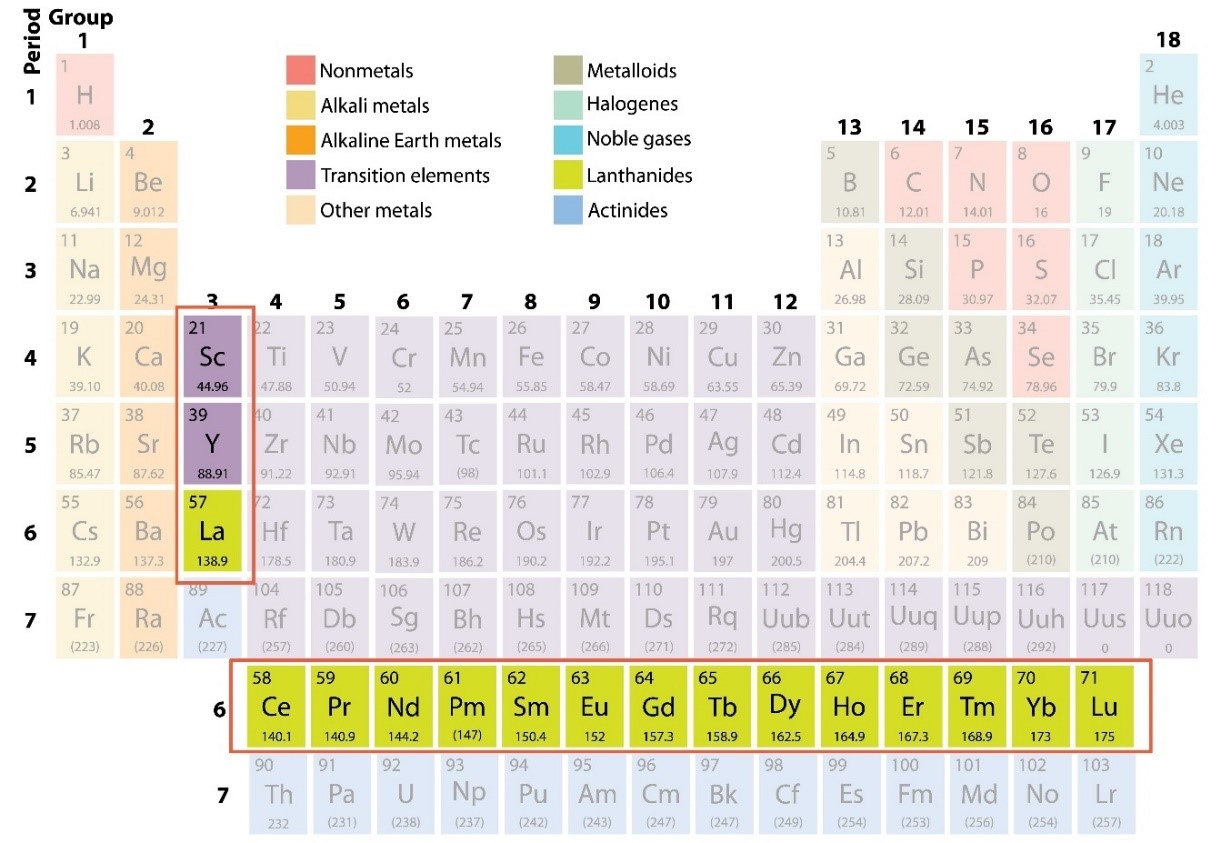
Periodic table: lanthanoids (https://www.rareelementresources.com/rare-earth-elements)

Individual Project Work about the prospects of recovering the Rare Earth Metals from e-Waste – On Trends Related to Recovery of REMs from the Electronic Devices’ Scrap (PDF)

Rat race for ‘happiness’

Recently, came across the ‘Happiness’ cartoon by Steve Cutts (2017). The genius of this art piece is in its blunt message. It makes one see the rat race routine from a side to realize something. Have you wondered, where we all are than much in a rush? For what good (if any good) we run?

How much the rush for happiness is imposed (prescribed) and how much is self-initiated? Can it be both?

Headphone holder – drawing and 3D printing

Working from home brings own challenges. For me, this translates in shaping the productive working environment which usually was arranged by someone somewhere. An efficient use of space on the desk surface is a part of the problem I imagine many of us struggle with.

With distance work, I noticed that I use three different types of headphones and most of the time they are laying somewhere on the table or hanging. NOT NICE! It would be great to have a designated place for them – a headphone holder. Finding one online is not a challenge and they cost starting with $25. Some are really cool too, but waiting for their arrival is more painful. Having Soldworks and 3D printer at hand, there is no excuse to producing one by myself.

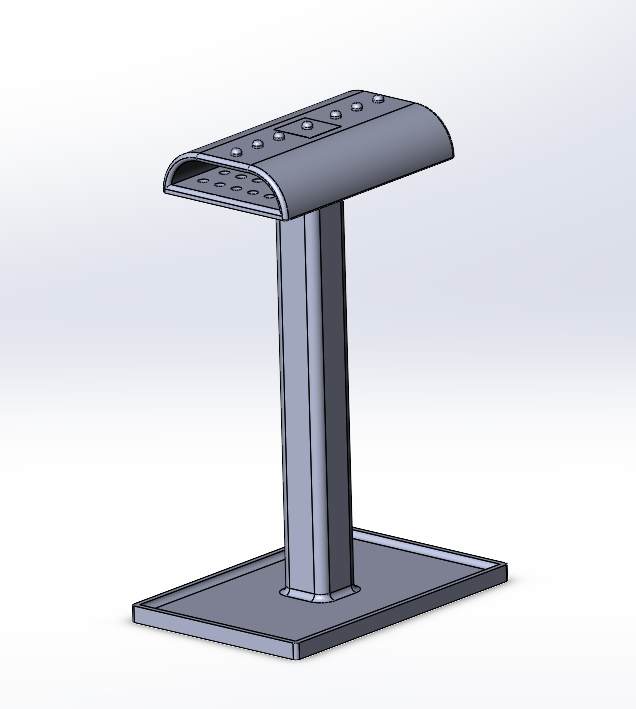
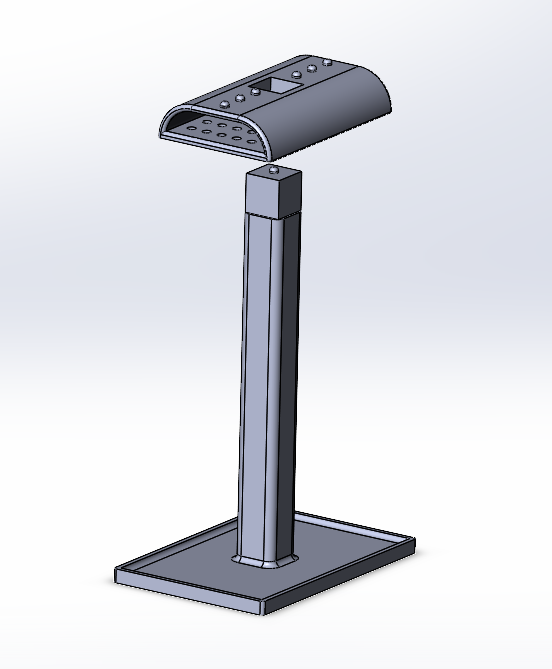
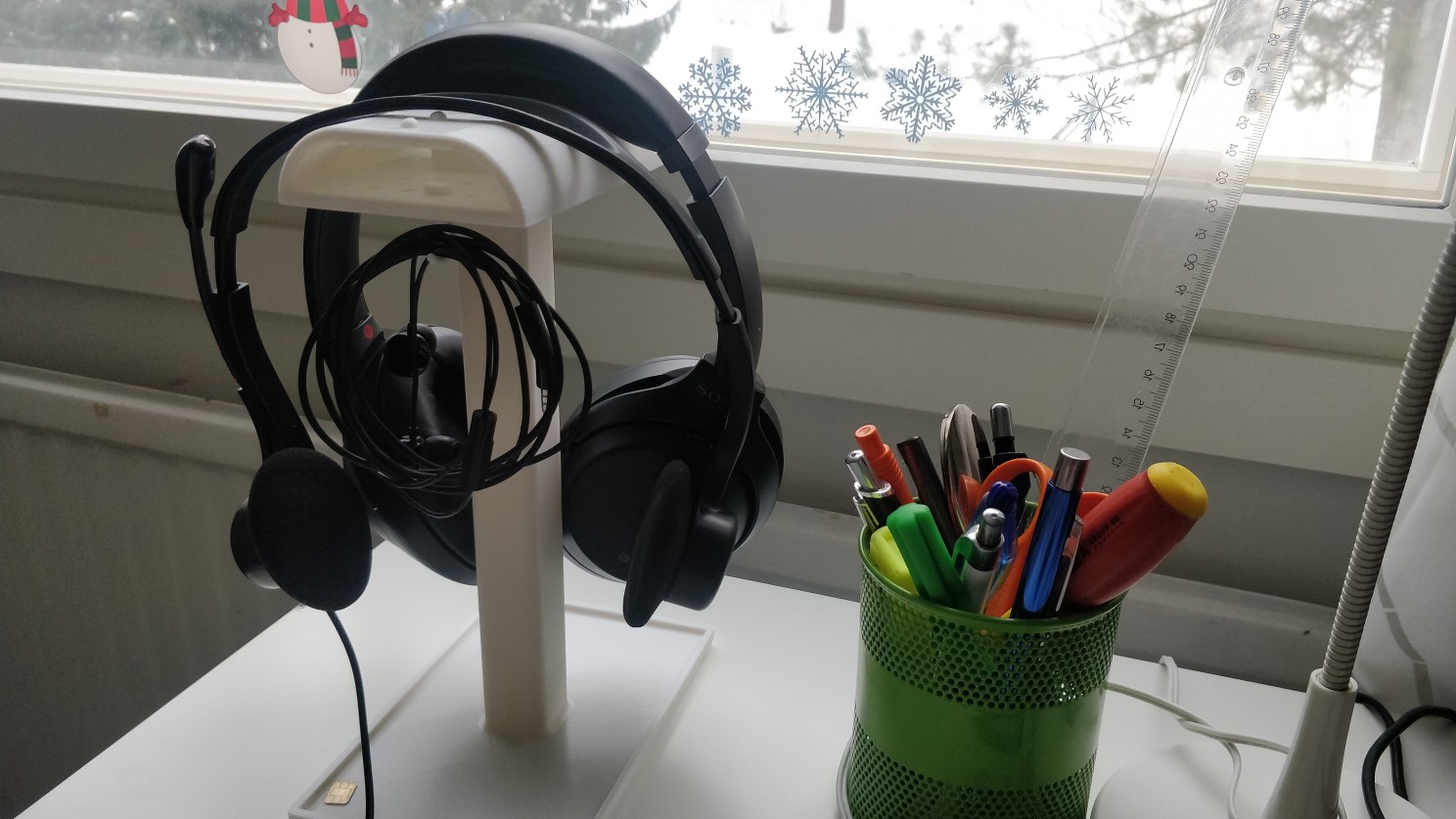
So, first, drawing some basic shapes, shelling, patterning, and the model in Solidworks is ready. Since the headphone holder takes some table space, I shaped the bottom in such way that it can hold some smaller parts like a paper clip or MicroSD card. The holes on the bottom of the top part is for hanging headphones on small hooks I will print later. So, being happy with the design outcome, I go to the next step – printing.

Assembled


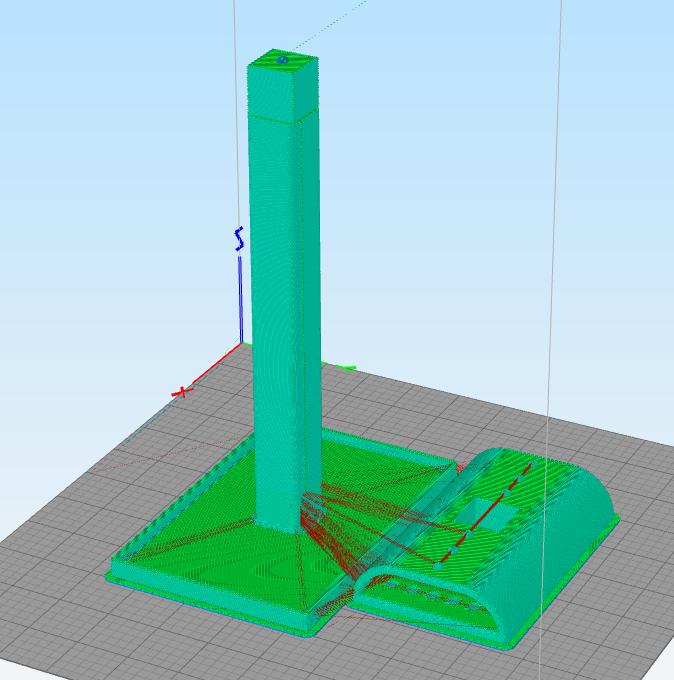
Next are the few steps in Simplify3D to set the printing parameters. For printing, I used the white PLA material. The flat vertical surface of the top part led to some overhangs inside, but for the function, I am ready to give up some of “the pretty” for now.

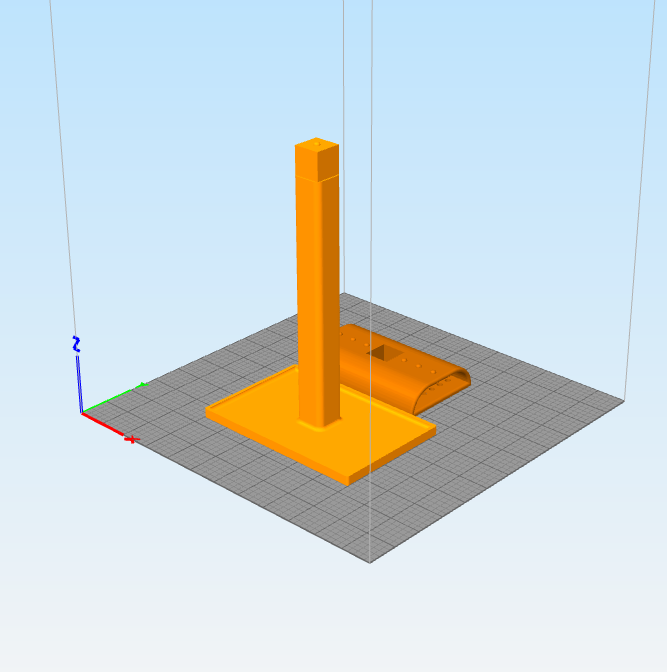
After aligning the shapes in Meshmixer, they come to the Simplify3D for the positioning on the 3D printer’s bed
Simplify3D calculates the necessary paths for the printer and the concept is ready to go to the printer
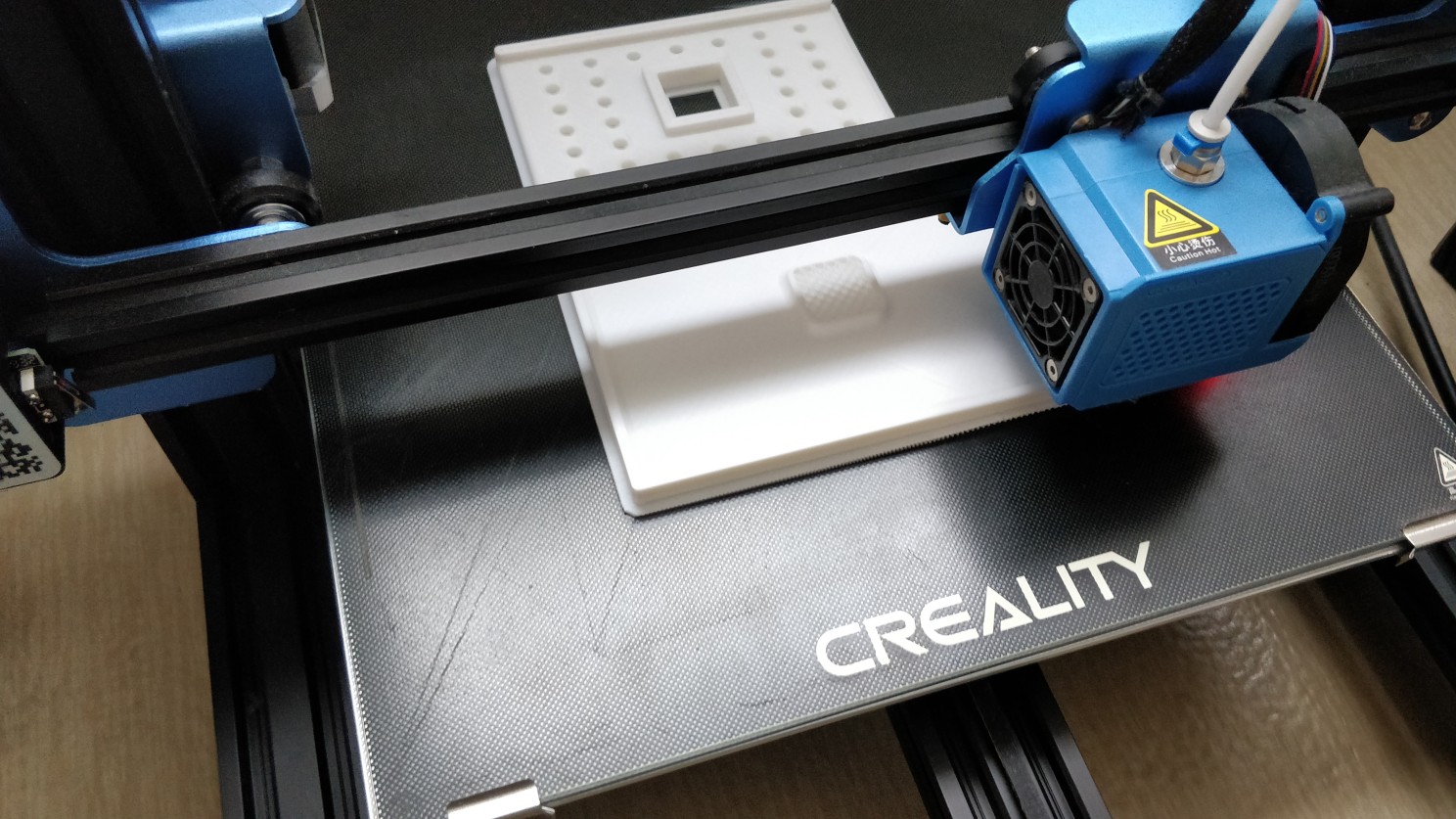
Creality v10 at work

…and after 32.5 hours, here is the outcome.

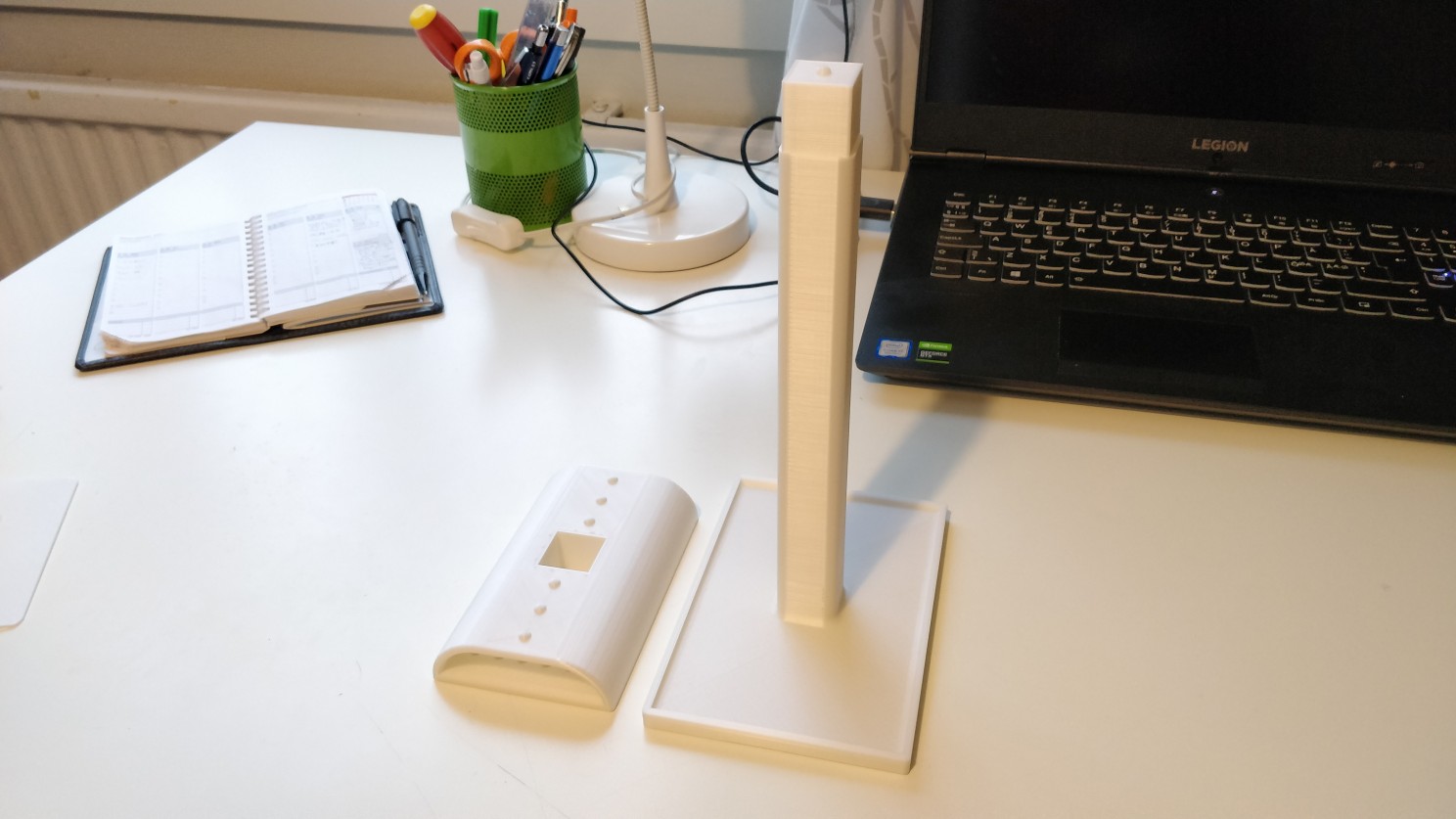
Printed parts


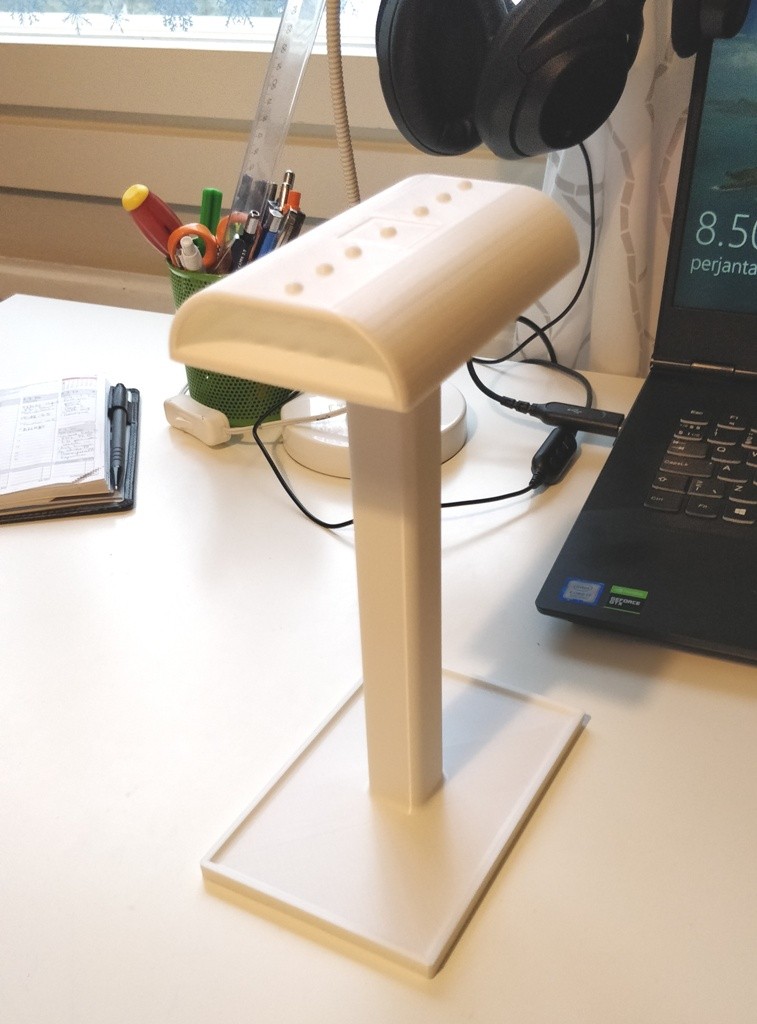
Assembled parts

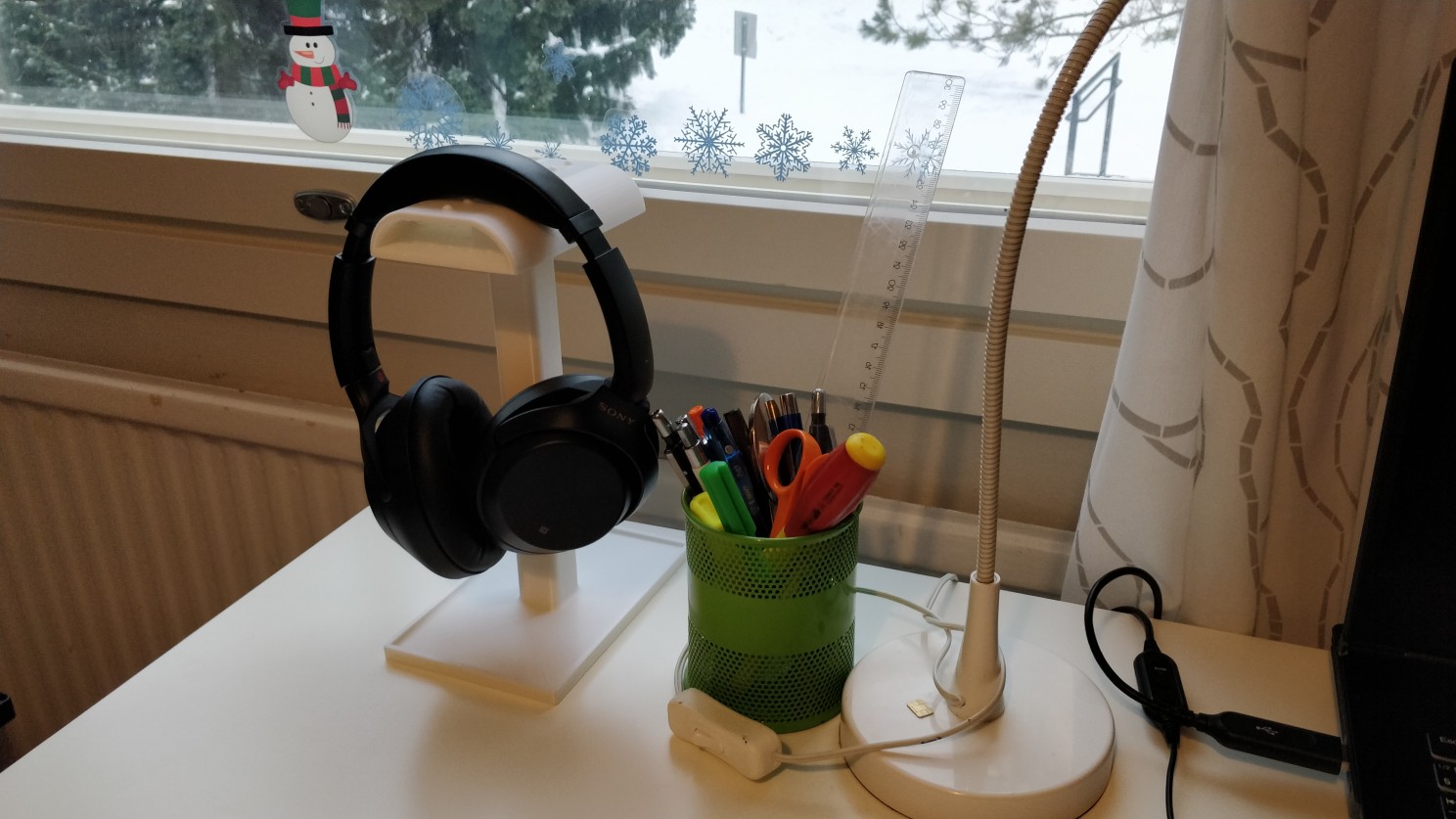
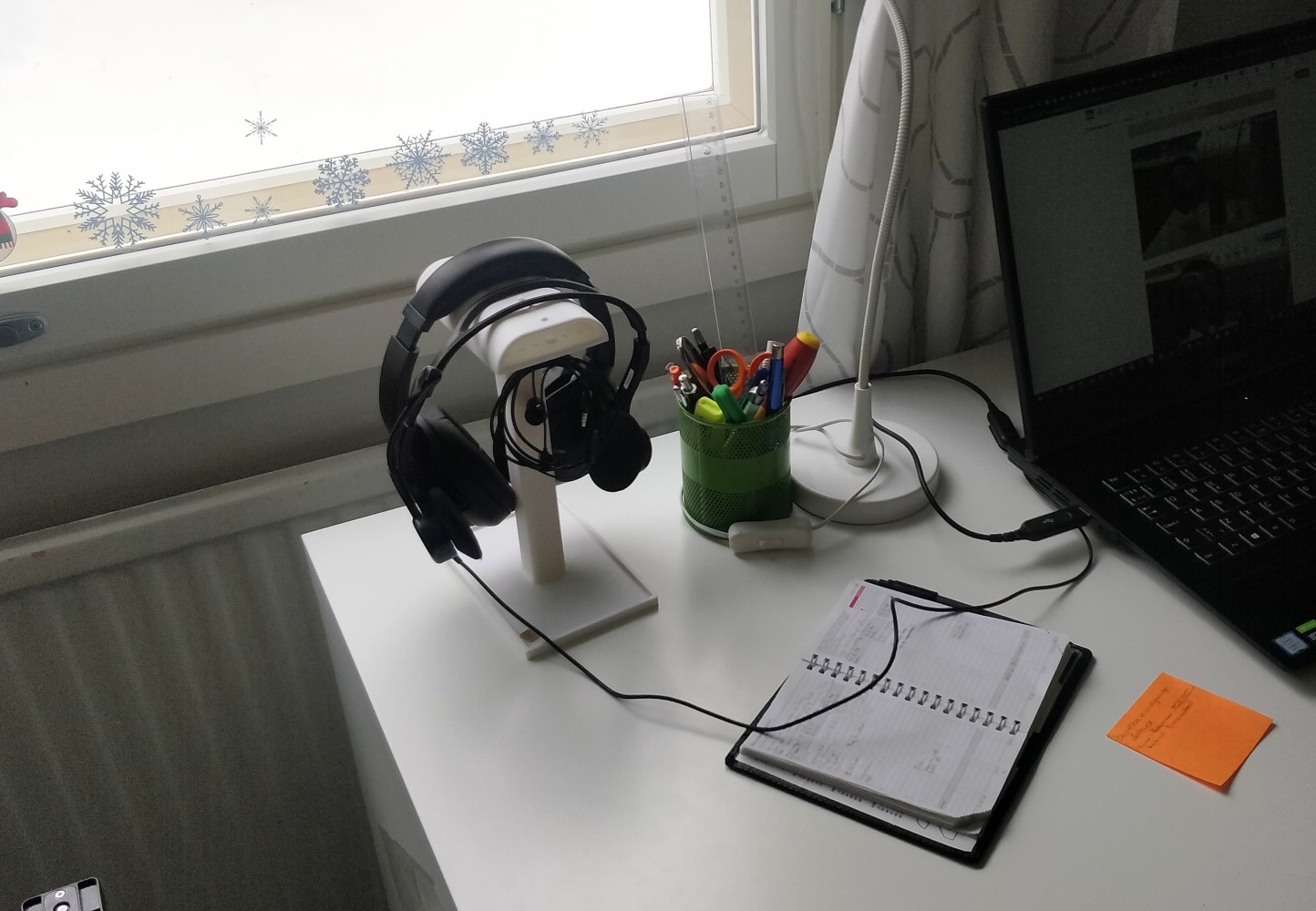
This is how it looks on the table:

After half a year of happy using the holder, I cannot stop wondering how I lived without it.

This article is also featured on LinkedIn.

Difference between Invention and Optimization

Recently, I was a part of Systematic Creativity and TRIZ Basics online class presented by professor Leonid Chechurin from LUT. One of the first questions in the class was to give our own definition of the difference between the invention and optimization. I found it quite interesting especially given the fact that I never thought of that.  The result of my reflections are below.

Optimization – gradual change of an existing system, process or solution by upgrading or downgrading existing properties to a new optimum or, in other words, to a new expected outcome. Thus, optimization is the process of reaching a new optimum or a new balance of interests.

Invention is the process of reaching another level of novelty. Invention is a gradual or radical change of the existing solution by adding, upgrading or downgrading the existing properties until a new nonexistent level of problem resolution is found. Novelty is the distinguishing factor between these two.

These processes are different, thus, call for different mindset, expected result and tools.

What would you say about this definitions? How do you define optimization and invention?

Marketing hypocrisy: customer needs – what firms actually aim to meet

No matter what sweet marketing reasoning says (Levitt, Kotler and alike), firms do not seek a customer per se, as a human, for who customer is with his life, troubles and routine to help him (see profound discussion by Fromm 1994). These issues are left to government backed social care and church at the best. See how many customer needs are ready to be met around the globe and too few companies ready to meet them because there is no financial interest – the customer needs need to match companies’ goals. Firms seek a customer that will buy their product. It is not the customer needs that company aims to meet. Contrary, it is company goals a firm aims to meet by addressing dehumanized customer demands (Fromm 1994). In such context, customer need is of any interest as long as they allow gain opportunities. Just as companies are not interested in customers per se, customers are equally interested in companies only for the reason of a product. The correct stress and priorities changes the tune; it scatters marketing tinsel away leaving crude reality.

And the reality is plain: companies sell products, be that goods, services, know-how, even when they are dreams. Product is the finite outcome of organization’s existence. The transfer of value from firm to customer and from customer to a firm is the blood that runs through the veins of economy. All activities of a firm directly or indirectly support the goal of facilitating transaction of values – money for product. No transfer – no customer. It is “Capitalism 101.” The role of marketing is to convince the fool to trade – the rest is lyrics.

Fromm, E. (1994). Escape from Freedom (repring, r). Henry Holt and Company.