Imagine, you are a decision-maker in an international firm. You come out of comma and now you try to catch up with what you missed from the recent news. Would you be surprised to learn about the recent US claims on Canada and Greenland, reaction of the EU, other regional developments?
Depending on how long you were off, you will find an unexpected resonance with the geopolitical developments that have unfolded during your absence from active decision-making in examining Maurice Gomberg’s 1942 “Outline of Post-War New World Map (image below)”. You would note the European policy circles in a state of profound puzzlement over recent American statements regarding territorial interests in Greenland and rhetorical positioning toward Canada – pronouncements that may seem unprecedented but in fact echo Gomberg’s vision of hemispheric consolidation under dominant powers.
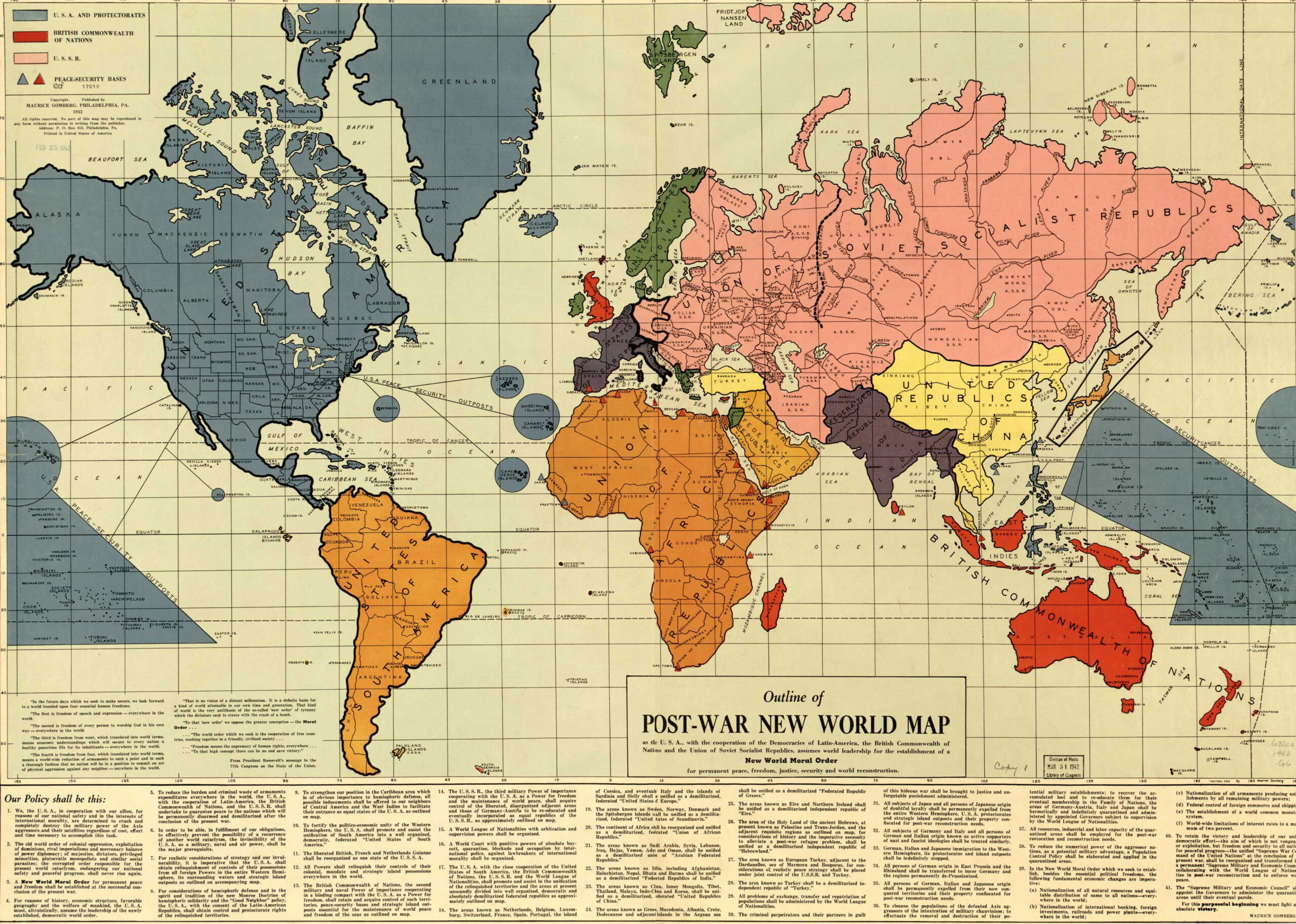
The map proposed a post-war order organized into vast regional blocs—a United States of America encompassing much of the Western Hemisphere, a Soviet-dominated Eurasia, and other spheres – prefiguring patterns we observe today: Continue reading “Formation of Regions: making sense of global politics”
 Figure 1. Internationalization process canvas