Slow down! This is going to be a long post, but it is worth you time. If you are in a rush, go down to the last paragraph.
In a world of a constant rush, who is doing the slow thinking for you?
THESIS
It’s not just your imagination. The pace of life is accelerating in spite of all of the conveniences that we are exposed to, such as airplanes and fast trains, quick cars, productive computers, smart phones, smart houses, Internet with its instant availability, dishwashers, laundry machines, mixers, smart and functional food processors, robotized lawn mowers and abundance of other tools that are supposed to free up the time. The same is the situation at work, where work processes, production schedules and pressure to commit to rapid decision-making require an immediate action. This trend is nurtured in the public culture with its rapid-fire news cycles and next-day delivery to “speed-watching” videos and the relentless pressure to be more productive, we are all caught in a current of increasing speed. While often exhausting, this trend is not arbitrary. However, a solid question retains its validity whether we recognize the rush or not: towards what are we all rushing… towards what and, most importantly, what for?
The rush culture is built by the environment around us. It builds on an interesting connection to the processes of our individual, internal thinking with an outcome which is not pretty. The persistent rush is the logical outcome of a powerful convergence of technological, economic, and social forces affecting our fast and slow thinking (processes described by Daniel Kahneman) in a way that makes sense, while making no sense. Such duality is absurd, but it seems that humanity as a kind and its individual agents somewhere along the way gave up and embraced all of the absurdities to be able to discern any and more importantly do something about it. Please, follow me and I will show you what I noticed in a minute or so.
For simplicity, let’s consider these three reasons why our world is systematically speeding up – the technological, economic, and social forces. I am sure, these dimensions are not exhaustive, but sufficient to see the pattern and patterns is what matters, when one tries to see a bigger picture.
Technology is the primary driver of acceleration, creating and then catering to an expectation of immediacy. It establishes the feedback loop of instant gratification. Do you remember the clicking sound of the modem on your Windows 95 PC dialing the network provider and how long it took to load a webpage or download a favorite song? We’ve moved from dial-up internet to 5G. A delay of a few seconds in loading a webpage or video is now considered unacceptable. This eradication of technological waiting has rewired our patience, making us expect the same instantaneous response from other facets of life. Now, couple that with social media and news feeds powered by algorithms that prioritize engagement. Content that is new, shocking, or controversial gets pushed to the top, creating a relentless, 24/7 news cycle. The race for clicks and views incentivizes a faster churn of information, leaving little time for reflection. On top of that, the wide spread of productivity software, communication platforms, and automation tools, which are designed to help us do more in less time, did not produce more free time for its users. In fact, we end up in the “productivity paradox”: instead of creating more leisure time, we simply fill the saved time with more tasks, raising the baseline expectation for output ending up in a ferocious rat race chasing the undefined “better life”.
Continue reading “The Culture of Rush and Slow thinking”
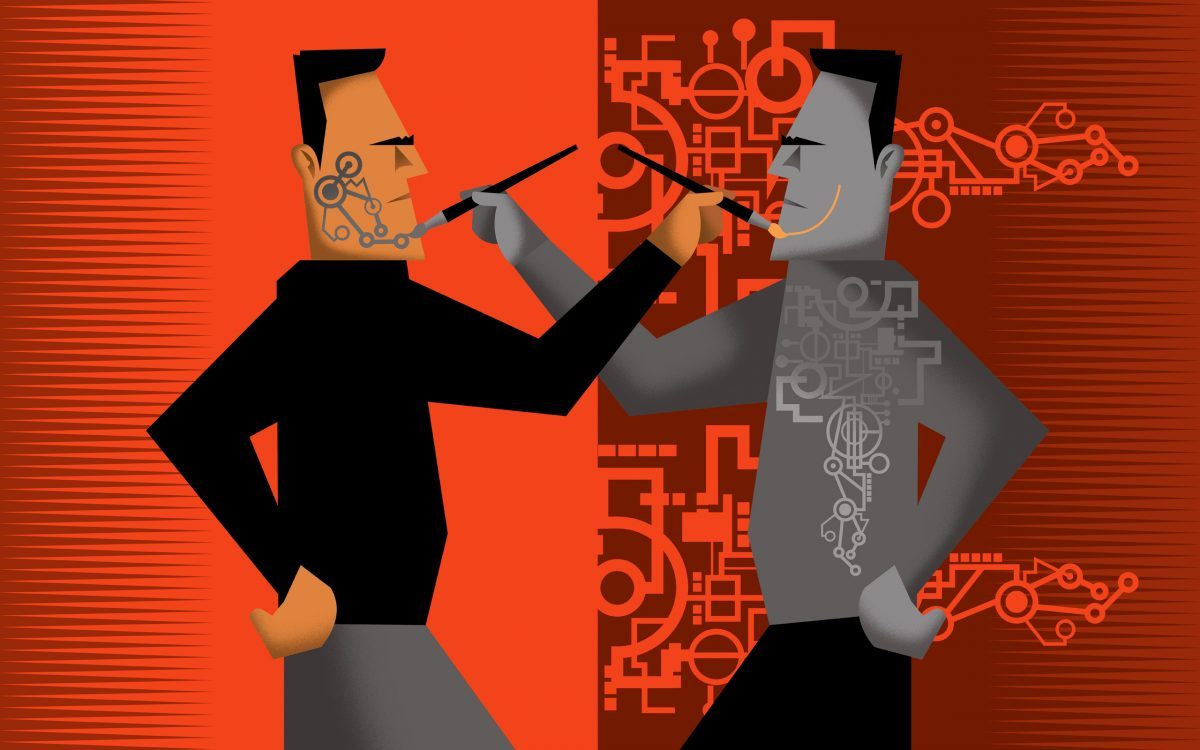
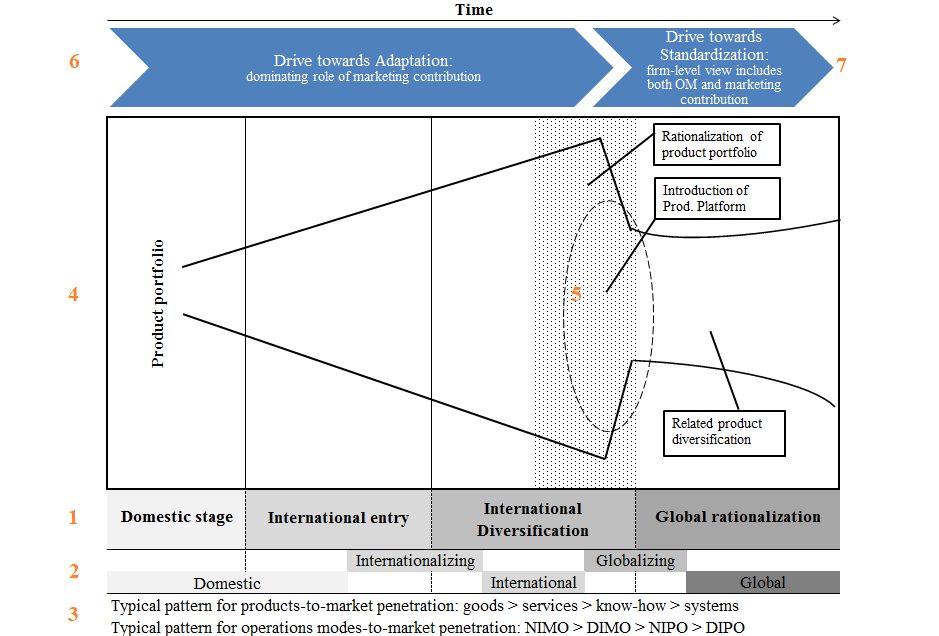 Figure 1. Internationalization process canvas